
The Story:
On September 16, 2026, the Federal Open Market Committee voted unanimously to raise its benchmark federal-funds target range by 25 basis points to a new range of 3.75 to 4.00 percent, marking the first interest-rate increase by the central bank since 2023. Citing resilient domestic spending and persistent inflationary pressures, Federal Reserve officials decided a preemptive tightening of monetary policy was necessary to guide the economy toward their two-percent inflation objective. While the widely anticipated quarter-point hike directly influences interbank lending overnight, its immediate ripple effects are propagating rapidly throughout the broader commercial banking sector, pushing benchmark prime lending rates to approximately 6.75 percent and fundamentally altering the immediate cost of short-term business capital.
For the commercial animal-feed manufacturing industry, the central bank’s decision introduces a significant new layer of financial friction during a critical period of seasonal harvest procurement. Although the Federal Reserve’s overnight rate sits below 4.00 percent, the actual commercial interest rates charged to feed mills, livestock integrators, and grain elevators on their active operating lines of credit are substantially higher. Many agricultural borrowers are facing commercial interest rates that have ratcheted up rapidly, fundamentally changing the mathematics of financing bulk ingredient purchases. The recent rate hike officially ends a prolonged period of interest-rate stability, signaling to the agricultural supply chain that the absolute cost of borrowing commercial money is no longer a passive, easily predictable line item on the monthly corporate balance sheet.
Following the recent September policy meeting, Federal Reserve officials indicated through their updated economic projections that at least one additional quarter-point interest-rate increase remains highly possible before the end of 2026, depending heavily on incoming macroeconomic data. This forward-looking guidance has placed agricultural lending institutions and corporate finance departments on high alert as they evaluate their credit portfolios heading into the winter feeding season. Consequently, commercial lenders are reportedly exercising increased financial discipline across the agribusiness sector, thoroughly scrutinizing borrower liquidity, collateral quality, and long-term repayment capacity before aggressively extending operational credit or authorizing facility expansions. For feed manufacturers, this shifting macroeconomic landscape means that securing working capital is becoming both structurally more expensive and administratively more rigorous than it has been in several years.
Why It Matters:
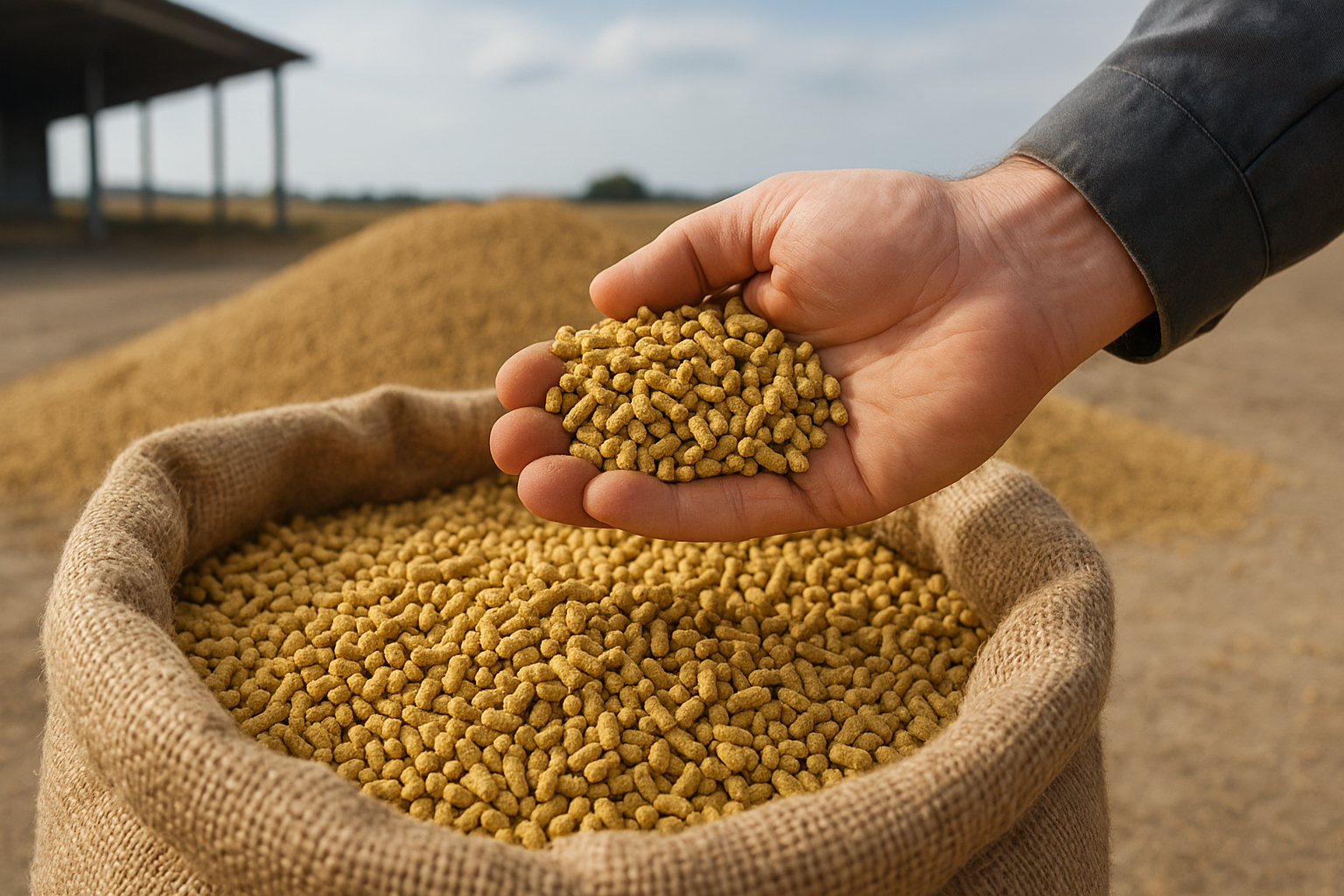
For ingredient buyers and procurement managers, higher commercial interest rates fundamentally disrupt traditional purchasing strategies, as the lowest quoted commodity price may no longer result in the lowest total delivered cost if physical inventory must be financed for several consecutive months. Feed manufacturers routinely rely on massive, rolling lines of operating credit to actively finance forward purchases of whole corn, soybean meal, dried distillers grains with solubles, and highly specialized micro-ingredients. When borrowing costs were historically depressed, carrying large physical inventories in onsite grain bins was a relatively inexpensive strategy to hedge against sudden freight disruptions or supply-chain bottlenecks. Today, however, the compounding monthly interest expense accumulated on a massive stockpile of expensive feed ingredients can rapidly erode a feed mill's manufacturing margin, forcing procurement teams to comprehensively rethink inventory-management practices.
As the cost of working capital continues to increase, feed manufacturers are increasingly incentivized to shift toward smaller, much more frequent ingredient purchases and intentionally lower average inventory levels to minimize their ongoing financing expenses. This strategic pivot toward just-in-time ingredient delivery reduces immediate interest-rate exposure but inherently amplifies the operational risks associated with carrying too little physical inventory, including sudden supply interruptions, extreme freight-market volatility, and potentially devastating out-of-stock events at the manufacturing level. Furthermore, elevated commercial credit costs extend beyond the feed mill; they directly impact independent livestock producers who rely on operating loans to finance the daily nutritional maintenance and ownership of their animals. If producer margins are severely compressed by rising borrowing costs, they may aggressively scrutinize supplier payment terms, stretch accounts receivable, and demand extended credit flexibility from commercial feed partners.
What to Watch:
Moving forward, feed industry executives and corporate financial controllers must proactively evaluate the true carrying cost of their physical inventory alongside underlying commodity prices, volatile freight rates, and supply-chain reliability. A critical metric to monitor is the facility's inventory turnover ratio; mills that can safely maximize their ingredient turnover without severely compromising production reliability will gain a distinct financial advantage in an elevated interest-rate environment. Additionally, commercial feed manufacturers must closely watch the evolving credit conditions among their independent livestock customers, carefully balancing the urgent need to maintain strong sales volumes with the growing financial risk of extending overly generous payment terms during a period of tightening agricultural credit. Closer coordination between the corporate procurement desk and the internal finance department will become absolutely essential to successfully navigate these competing financial pressures and protect corporate profitability.
The broader agricultural sector must also closely monitor how these higher borrowing costs ultimately influence long-term capital investments and facility upgrades across the national feed-manufacturing footprint. When commercial interest rates rise aggressively, the internal rate of return required to justify the construction of brand-new feed mills, the installation of expanded grain-storage silos, or the acquisition of high-efficiency pelleting equipment increases proportionately. Consequently, corporate boards and independent cooperative directors may elect to temporarily delay or permanently cancel major capital-expenditure projects until financing costs stabilize, potentially slowing the overall pace of technological modernization within the commercial feed industry. Furthermore, buyers should remain highly vigilant for future Federal Reserve policy announcements, as any additional rate hikes in late 2026 could force the industry to further shorten purchasing commitments and rely even more heavily on immediate spot-market transactions.
The Bottom Line
The Federal Reserve’s recent decision to raise interest rates explicitly signals that the sheer cost of financing ingredient inventories, maintaining operating credit, and supporting livestock production is no longer a negligible component of agribusiness management. As interest expense becomes an increasingly critical driver of the total delivered feed cost, procurement teams can no longer evaluate bulk ingredient purchases based solely on the underlying commodity price and associated freight rates. To effectively protect tightening manufacturing margins, feed buyers and financial managers must systematically integrate the rising cost of working capital into their daily purchasing algorithms, deliberately balancing the significant financial expense of carrying large, long-term ingredient inventories against the equally severe operational risks of running a modern feed mill entirely on just-in-time logistics.