
The Story:
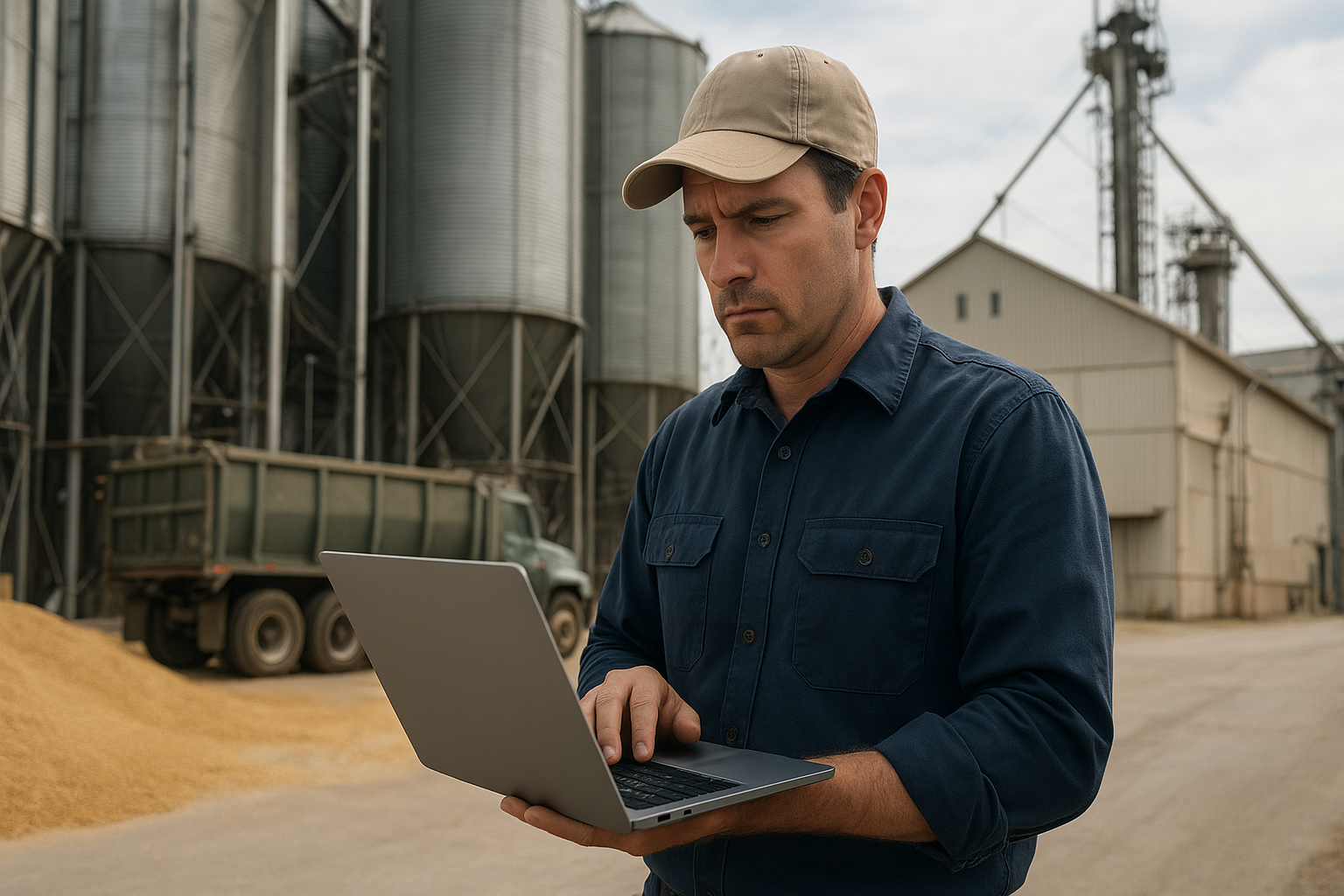
On October 5, 2026, an exhaustive industry investigation published by Feedstuffs sounded an urgent alarm across the North American livestock and feed manufacturing sectors, revealing that sophisticated cybercriminals and extortion cartels are increasingly targeting the computerized nervous systems of modern agriculture. Authored by industry analyst Thomas Joos, the report outlines how commercial feed mills, high-capacity cattle feedyards, automated swine grow-out complexes, and large-scale dairy operations have become prime targets for ransomware gangs actively exploiting internet-facing operational technology. Industrial cybersecurity researchers documented over 70 confirmed ransomware strikes across the global food and agricultural sector during the second quarter of 2026 alone. The investigation underscores that while agribusiness operators have historically viewed cybersecurity as an administrative IT concern, modern ransomware attacks directly compromise physical production lines by disabling supervisory control and data acquisition (SCADA) networks, automated batching software suites, automated micro-ingredient carousels, batch scale weight transmitters, and precision environmental control systems.
The operational anatomy of an agricultural ransomware attack centers on three acutely vulnerable choke points identified by security specialists: control systems, compliance records, and buyer connectivity. Threat actors systematically scan rural agribusiness internet networks for exposed remote-desktop interfaces, unpatched virtual private networks, and unsecured virtual network computing (VNC) protocols operating on standard ports such as port 5900 with weak or factory-default credentials. Once inside an operational technology network, attackers rarely bother encrypting physical machinery like grain bucket elevators or pellet mills directly; instead, they lock the supervisory human-machine interfaces and PLC controllers that govern them. At commercial feed mills, this creates a catastrophic loss of view, rendering digital least-cost formula libraries unreadable, halting automated micro-ingredient dosing, and freezing computerized bulk truck scale tickets. In confined livestock and poultry barns, attackers have altered automated ventilation setpoints, disabled high-temperature warning sirens, and locked down automated feed auger dispensing schedules, precipitating immediate animal welfare crises and severe operational paralysis within hours.
Compounding the immediate physical disruptions, ransomware extortion delivers a devastating blow to regulatory compliance and commercial liquidity across integrated protein supply chains. Under the Food and Drug Administration’s Food Safety Modernization Act (FSMA) animal food rule codified in 21 CFR Part 507, licensed commercial feed mills are legally mandated to maintain active preventive controls, hazard analysis protocols, and rigorous lot traceability records, with an explicit obligation to produce offsite digital archives within 24 hours of an official agency inspection request. When ransomware encrypts local database servers and automated batching audit logs, mills are stripped of their legal ability to verify medicated feed additives, validate veterinary feed directives (VFDs), or certify finished ration safety, triggering immediate regulatory shutdown exposure and potential FDA Form 483 inspection citations. Simultaneously, the paralysis of enterprise resource planning (ERP) software cuts off communications with country elevators, meatpackers, and commercial livestock buyers, blocking inbound grain settlements, freezing outbound freight billing, and stranding perishable animal protein shipments without digital bills of lading.
Why It Matters:
For commercial feed manufacturers, integrated livestock producers, and grain merchandisers, the weaponization of ransomware represents an existential operational threat to the continuous, uninterrupted flow of animal nutrition. Modern livestock production operates on exceptionally lean logistical buffers: intensive swine finishing barns, commercial broiler houses, and commercial feedyards maintain between 24 and 48 hours of on-farm feed inventory, relying on continuous daily bulk truck dispatches from regional feed mills operating on computerized just-in-time manufacturing schedules. If a regional feed mill producing 1,500 to 3,000 tons of finished feed per day suffers an encryption lockout, the resulting batching shutdown instantly threatens hundreds of thousands of animals across contracted production networks. Because modern least-cost formulation matrices, automated micro-bin dosing, and liquid fat inclusion are tightly governed by proprietary digital software, plant operators cannot simply revert to manual shoveling and analog scale operation without drastically reducing throughput, violating state feed nutrient guarantees, inducing disastrous toxic drug carryover risks across sensitive animal diets, and severely compromising the biological health and performance of herds and flocks.
Furthermore, the financial calculus of agricultural ransomware downtime is acutely front-loaded, threatening enterprise solvency far beyond the arbitrary ransom payment demanded by criminal syndicates. In commercial dairies, the inability to operate automated milking parlors or process electronic milk-pickup records forces producers to dump tens of thousands of gallons of raw milk, threatening dairies that operate with restricted working capital reserves. In commercial feedlots and swine finishing complexes, a multi-day disruption in automated feed delivery or water regulation rapidly depresses average daily gain, damages feed conversion ratios, and induces severe digestive disorders like ruminal acidosis. Industrial security economists calculate that the indirect losses of a 48-hour feed mill ransomware outage—encompassing emergency feed sourcing from competing mills at exorbitant cash spot premiums, expedited truck freight surcharges, veterinary interventions, and regulatory remediation—frequently exceed $500,000 to $1.5 million per facility, completely dwarfing the cost of proactive IT network segmentation and dedicated industrial firewall deployment.
What to Watch:
Over the coming weeks heading into the winter feeding quarter, feed mill general managers, livestock integrators, and agricultural cooperative boards must conduct comprehensive cyber vulnerability audits of their operational technology and industrial control networks. Facilities must immediately eliminate single-point internet exposures, closing vulnerable remote desktop ports and enforcing multi-factor authentication (MFA) across all administrative, batching, and scale-house logins in alignment with Cybersecurity and Infrastructure Security Agency (CISA) recommendations. Production directors should verify whether their IT architectures enforce strict air-gapped network segmentation between carpeted front-office administrative systems and the industrial local area networks governing programmable logic controllers (PLCs), batch scales, and micro-ingredient carousels. Feed manufacturers must also test immutable, offsite cloud and cold-storage backups of formulation recipes, customer delivery databases, and FSMA compliance documentation to ensure that a localized server lockout does not permanently erase historical batch records or proprietary formulation intellectual property.
Simultaneously, feed mill operations desks and livestock logistics dispatchers should establish robust analog operational continuity playbooks to ensure essential feed manufacturing can survive a total digital blackout. Mill superintendents should print physical, hard-copy formulation binders containing baseline least-cost recipes for primary livestock production phases, maintain pre-printed manual scale tickets, and conduct rigorous hands-on drills training mill personnel on emergency manual batching protocols. Integrated swine and poultry operations must formalize mutual-aid agreements with neighboring independent feed manufacturers, establishing pre-cleared bio-secure transport corridors and shared ingredient specifications that can be activated instantly if a primary mill is incapacitated. Finally, risk managers and procurement executives should review corporate insurance policies, verifying whether existing property and casualty coverage encompasses extortion payments, business interruption indemnification, and livestock mortality resulting from catastrophic operational technology network failures.
The Bottom Line
The sobering Feedstuffs investigation published on October 5, 2026, cements industrial cybersecurity as a front-line operational imperative for North American feed manufacturing and livestock production. In an era where commercial feed mills, swine complexes, dairies, and feedyards depend entirely on computerized batching automation, digital VFD verification, and connected logistics, a single hour of ransomware-induced downtime threatens animal welfare, regulatory compliance under FDA 21 CFR Part 507, and enterprise financial viability. As cybercriminal cartels aggressively probe vulnerable agricultural networks during the peak autumn harvest rush, feed industry executives, mill managers, and livestock leaders must move decisively to fortify network defenses, implement air-gapped backups, and establish disciplined analog contingency protocols to safeguard the nation’s animal feed supply chain against digital extortion and secure continuous operational continuity across the broader food supply chain.