
The Story:
U.S. pricing for L-Isoleucine has surged to $3.12/lb as of September 2026, marking a 25.81% increase over the last three months. The market experienced a steady, gradual rise through July and August, climbing from approximately $2.42/lb in late June to $2.78/lb by late August. However, September brought a sharp acceleration in the upward trend, pushing the market well above the $3.00/lb threshold. This significant price action reflects a combination of escalating logistics costs, upstream production variables, and tightening U.S. import conditions.
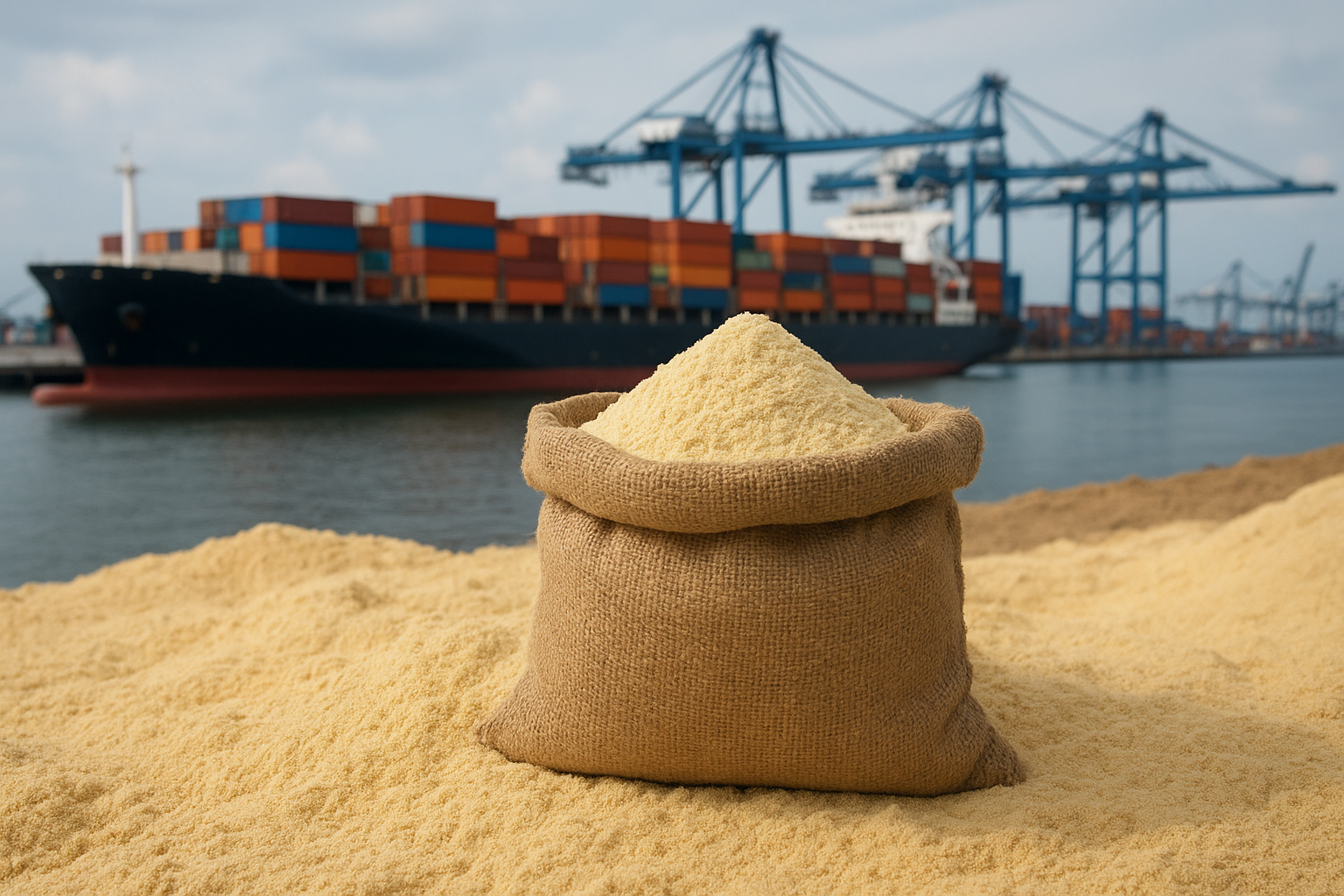
The U.S. L-Isoleucine market remains heavily reliant on imports, with China serving as the dominant global supplier for this essential amino acid. Throughout 2026, the cost of moving product from Chinese fermentation facilities to U.S. ports has increased dramatically. Ocean container freight rates have spiked, with Transpacific shipping costs reaching near pandemic-era highs due to early peak season demand, port congestion, and ongoing geopolitical disruptions. Consequently, the landed cost of L-Isoleucine in the U.S. has absorbed these elevated freight premiums, contributing substantially to the September price surge.
Compounding the logistics challenges are broader trade and production dynamics. Unlike L-Lysine—which has been the subject of specific antidumping and countervailing duty investigations—L-Isoleucine has not been targeted by a product-specific trade case. It is critical that buyers do not automatically attribute the L-Isoleucine price increase to the recent L-Lysine trade actions. However, broader U.S. trade policies, including recent Section 301 tariff adjustments on various Chinese-origin nutritional ingredients, have added friction and costs to the general supply chain. On the production side, while major Chinese manufacturers like Xinjiang Meihua continue to advance large-scale capacity expansions, such as the reported 18,000 tonnes-per-year project, these capacity additions have not yet proven sufficient to offset the immediate logistics and cost pressures impacting U.S. delivered pricing.
Why It Matters:
For U.S. feed manufacturers, premix companies, and distributors, this 25.81% price increase fundamentally alters formulation economics for late 2026. Buyers who did not secure forward coverage during the summer months are now facing significantly higher replacement costs. The sharp acceleration in September indicates that the supply chain is experiencing compounding pressures, meaning that procurement teams must factor in higher landed costs and extended lead times when planning their inventory strategies for the remainder of the year.
The increase also has direct implications for poultry and swine formulators aiming to optimize diets. While L-Isoleucine is critical for maximizing growth and feed efficiency, its rising cost forces nutritionists to carefully re-evaluate inclusion rates and alternative amino acid balances. If U.S. buyers continue to experience delayed import arrivals or higher replacement costs, we may see precautionary forward-buying behavior, which could further tighten spot availability and sustain the current price floor.
What to Watch:
Over the next several weeks, buyers should closely monitor Chinese producer availability and export volumes. Key indicators will include whether major manufacturers like Fufeng and Meihua maintain their current offer levels or begin to ease prices as new capacity, such as the Xinjiang expansion, becomes fully integrated. Any signs of production interruptions or raw material cost spikes in China—particularly involving corn and glucose feedstocks—could signal further upside risk.
Logistics and trade developments will also remain critical variables. Watch for changes in ocean freight container rates and U.S. port congestion levels as the industry moves past the October "Golden Week" holiday in China. Additionally, buyers should stay alert to any new U.S. trade policy developments or tariff updates that could specifically impact L-Isoleucine imports, while remaining mindful to separate these from ongoing L-Lysine trade disputes.
The Bottom Line
The surge in L-Isoleucine to $3.12/lb is primarily driven by skyrocketing ocean freight rates and supply chain friction rather than a fundamental shortage of global production capacity. While Chinese expansion projects are advancing, buyers should expect U.S. spot prices to remain supported as long as transpacific logistics remain strained and replacement costs stay elevated.
Sources: U.S. Office of the United States Trade Representative; Industry Shipping and Freight Reports (2026); Major Chinese Amino Acid Producer Capacity Announcements (2026).