
The Story:
On Tuesday, October 6, 2026, agricultural economists and animal health researchers at the University of Arkansas System Division of Agriculture released a landmark epidemiological study establishing that highly pathogenic avian influenza (HPAI) clade 2.3.4.4b has officially become a "host-adapted" virus within North American wild waterfowl populations. Drawing upon comprehensive multi-year outbreak surveillance data spanning 2022 through late 2026—a period during which HPAI necessitated the depopulation of more than 212 million commercial poultry birds and infected over 1,000 commercial poultry flocks across the United States—the research confirms that the virus has fundamentally transitioned away from sporadic, unpredictable introduction cycles. Instead, the pathogen now follows an extraordinarily consistent, predictable seasonal curve synchronized with wild waterfowl migration patterns across North America. The study, spearheaded by agricultural economist Dr. Jada Thompson, proves that virus circulation reliably accelerates in early October, intensifies through mid-winter roosting periods, and peaks during spring northward migrations between March and May, giving the commercial poultry and animal feed manufacturing sectors an empirical, definitive timeline of annual disease exposure and flock vulnerability.
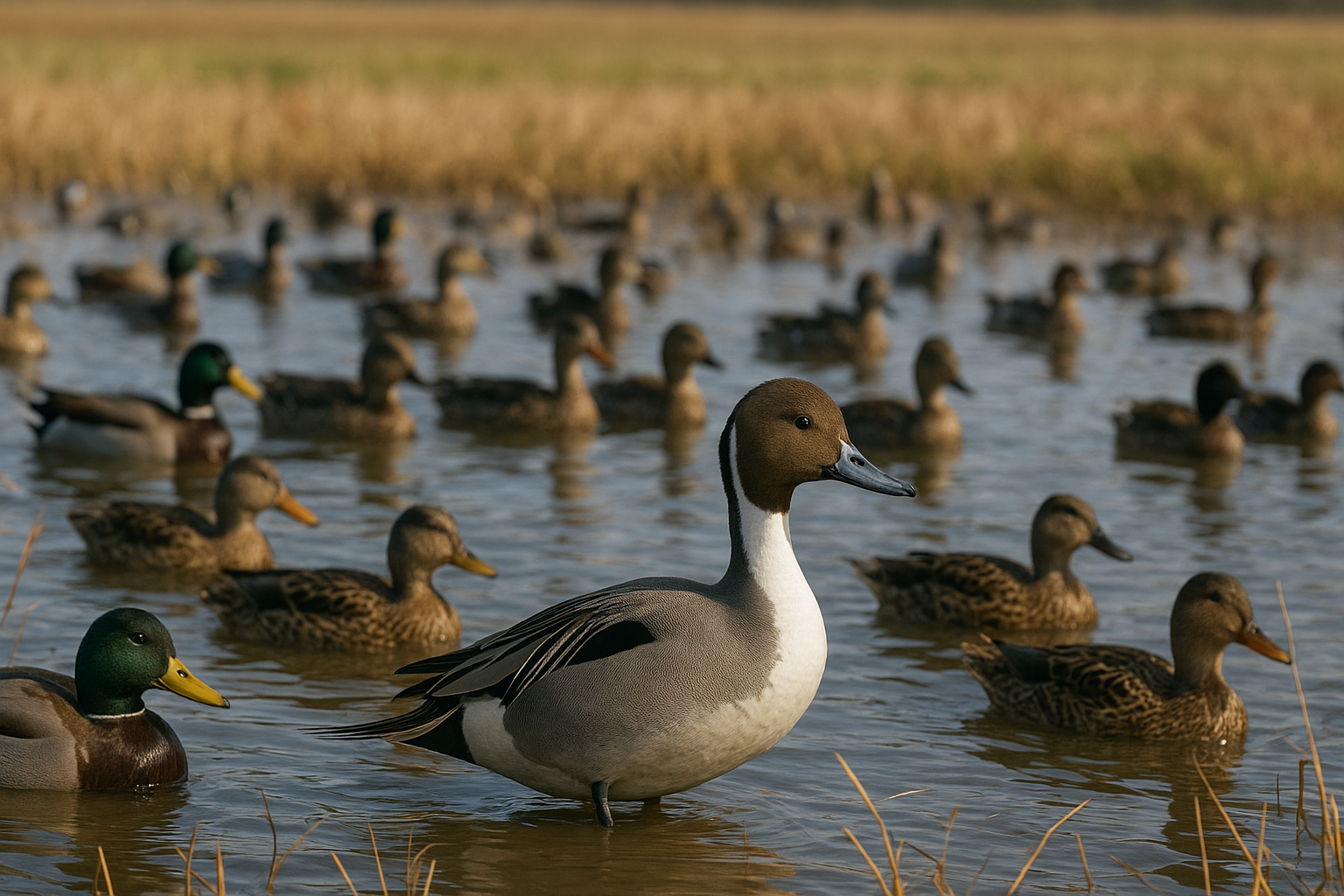
The biological shift toward host adaptation represents a profound epidemiological milestone that distinguishes the current H5N1 outbreak from previous historical crises, such as the severe 2014–2015 epizootic. In earlier outbreaks, HPAI was characterized by aggressive, highly lethal spread between commercial production facilities, primarily driven by secondary lateral farm-to-farm transmission via equipment, personnel, and service vehicles. However, genomic and geospatial modeling conducted by the University of Arkansas research team demonstrates that today’s clade 2.3.4.4b circulating across the Mississippi, Central, Atlantic, and Pacific flyways is sustained directly within wild reservoir hosts without requiring commercial barn transmission to survive. Rather than acting merely as temporary vectors, wild waterfowl now serve as an entrenched, self-sustaining biological reservoir. Migratory dabbling ducks, geese, and shorebirds frequently shed vast quantities of the pathogen into surface waters, agricultural wetlands, and grain foraging fields while exhibiting minimal clinical morbidity. Consequently, commercial poultry operations are repeatedly bombarded by independent environmental point-source introductions during seasonal migration windows, rendering historical post-outbreak eradication assumptions obsolete and establishing virus management as a permanent, recurrent operating baseline for modern animal agriculture.
The seasonal predictability documented by the researchers provides poultry integrators, commercial feed mill operators, and allied agribusiness stakeholders with an empirical roadmap for biosecurity resource allocation and logistical planning. Outbreak probability metrics outlined in the publication reveal that exposure risk ramps upward across commercial broiler, commercial table egg layer, and turkey operations as wetland water temperatures drop below 50 degrees Fahrenheit, which preserves viral infectivity in aquatic environments. While the summer months between June and August consistently exhibit dramatic drop-offs in commercial flock detections due to elevated ultraviolet radiation, reduced waterfowl density, and warm ambient temperatures, the arrival of autumn cold fronts in early October immediately reopens the high-risk transmission window. With millions of migratory waterfowl actively descending across primary grain production regions and poultry belts, the commercial feed industry faces renewed vulnerability, as milling networks and bulk distribution channels operate at the direct physical interface of open-field grain harvesting and closed-housing livestock biosecurity.
Why It Matters:
For commercial animal feed manufacturers and integrated poultry operations, the permanent establishment of a host-adapted seasonal HPAI cycle carries immense operational and financial consequences. Poultry production represents the single largest consuming segment of manufactured feed in the United States, utilizing more than 60 million tons of complete feed formulations annually. When commercial facilities suffer viral incursions, mandatory animal health protocols require immediate depopulation of all on-site birds, instantly annihilating local feed consumption. A single commercial table egg complex depopulation involving 2 million laying hens immediately eradicates roughly 4,800 to 5,000 tons of monthly feed demand, stranding pre-manufactured crumbles, specialized layer mash, and bulk micro-ingredient premixes in on-farm storage bins. Feed mills serving affected complexes face abrupt disruptions to daily manufacturing schedules, sudden bin turnovers, stranded inventory that cannot be safely redirected due to strict biosecurity quarantine zones, and sharp revenue drops that disrupt fixed-cost milling efficiency across regional distribution networks.
Beyond localized tonnage losses, the seasonal migration cycle places feed delivery infrastructure directly in the crosshairs of disease transmission and ration economics. Commercial feed distribution fleets represent one of the most frequent and indispensable vehicular touchpoints connecting centralized milling operations with biosecure farm complexes. During the newly defined October-to-May seasonal risk corridor, feed trucks traveling rural secondary roads encounter dust, feathers, and dried environmental mud potentially contaminated with viral shed from wild birds foraging in harvested corn and soybean stubble. To mitigate catastrophic introduction risks, integrated systems and commercial feed dealers are forced to absorb extensive biosecurity overhead expenses, including automated undercarriage wash bays, high-pressure tire sanitization stations, and dedicated single-complex routing protocols that reduce operational distribution efficiency. Furthermore, recurrent layer flock culls alter regional consumption ratios of key feed commodities—reducing demand for soybean meal, synthetic amino acids, choline chloride, and coarse-ground limestone while destabilizing local cash basis levels for regional corn elevators.
What to Watch:
Over the coming three to six weeks, commercial feed merchandisers, procurement directors, and livestock integrators should closely monitor flyway tracking data and state veterinary advisories as the autumn migration peaks across the Midwest, Southeast, and Mid-Atlantic production corridors. Procurement teams must scrutinize weekly USDA Animal and Plant Health Inspection Service (APHIS) commercial detection dashboards to identify early cluster formations in high-density poultry counties, specifically tracking whether emerging cases reflect independent wild waterfowl introductions or secondary lateral spread. Facilities situated near major migratory stopovers, river basins, and waterfowl staging reservoirs should verify the operational readiness of specialized biosecurity protocols for inbound grain and feed delivery vehicles, ensuring that biocidal disinfectants maintain effective contact times even as ambient autumn temperatures begin to drop across northern and central states. Maintaining heightened biosecurity alertness during this early seasonal ramp-up provides feed manufacturers with their best operational defense against costly, disruptive farm-level quarantines.
Simultaneously, feed formulators and nutrition executives must track how commercial poultry inventory adjustments impact spot demand and forward contractual commitments for key feed inputs. If early autumn depopulations begin trimming commercial layer or turkey bird numbers, nutrition directors must coordinate with procurement desks to rebalance incoming pipeline contracts for 48 percent crude protein soybean meal, distillers dried grains with solubles (DDGS), synthetic DL-methionine, and specialized vitamin-trace mineral premixes. Commercial mills should also assess regional grain elevator sourcing practices, ensuring that inbound corn and wheat deliveries originate from storage facilities that maintain robust wild bird exclusion barriers. Purchasing managers should stay closely aligned with university extension economists and state veterinarians to evaluate predictive risk modeling tools, utilizing seasonal forecasts to optimize ingredient inventory safety margins, safeguard distribution logistics, and insulate commercial milling balance sheets against sudden localized demand shocks.
The Bottom Line
The University of Arkansas study confirming that HPAI clade 2.3.4.4b has achieved host adaptation in wild waterfowl transforms avian influenza from an episodic industry catastrophe into an expected, predictable seasonal operating reality spanning October through May. For the commercial feed manufacturing sector and integrated livestock operations, this permanent epidemiological shift demands an immediate end to ad-hoc emergency reactions in favor of disciplined, institutionalized seasonal biosecurity and supply chain risk management. By aligning feed mill production scheduling, bulk delivery vehicle decontamination, and strategic ingredient procurement with empirical waterfowl migration curves, feed manufacturers and poultry producers can aggressively protect biosecure perimeters, minimize stranded inventory risks, and ensure long-term operational resilience across the annual high-risk corridor.